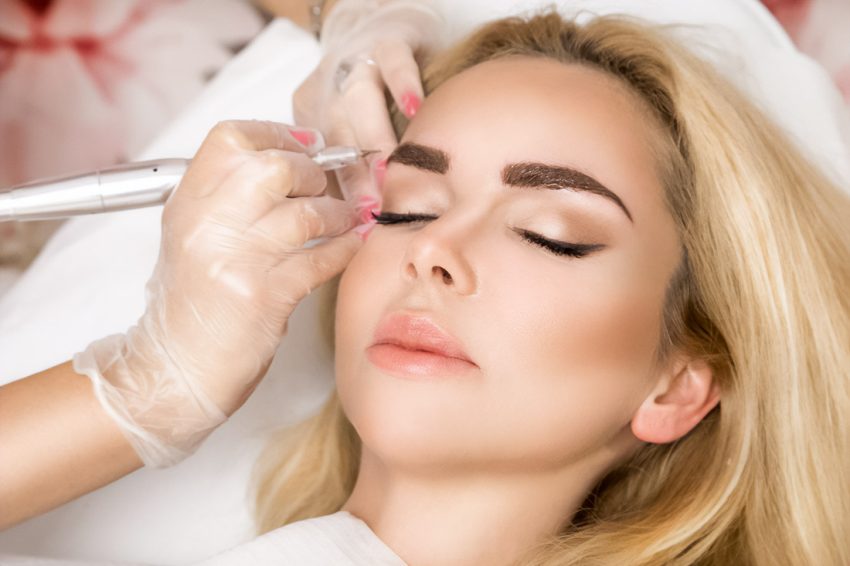
The idea of beauty has never been static. It is shaped by society, reflects the values of the era, economic realities, technological capabilities and the level of cultural dialogue. In the 21st century, this process has accelerated: globalisation, migration, social networks and the growth of visual literacy have led to the fact that a single canon of appearance has ceased to be dominant. In its place, a field of competing, often contradictory aesthetic norms has emerged.
Beauty as a Social Tool
Historically, beauty has been a measure of social value, especially for women. For decades, it has been associated with youth, symmetry, slimness, and a certain type of face and physique. These parameters were broadcast through the media, magazines, catwalks and advertisements, forming a hierarchy of attractiveness. Deviation from it meant cultural and economic marginalisation.
However, even within the framework of strict standards, there have been shifts. In different periods, angular or softer body shapes, extreme thinness, or emphasised roundness were appreciated. Ideal proportions, acceptable age, and attitudes towards wrinkles, grey hair, and appearance changed. These changes have been slow and limited within the industry.
Expanding the Framework and Increasing Inclusivity
Over the past 10-20 years, the definition of beauty has become noticeably broader. People with different skin colour, hair type, physique, age, and physical characteristics appeared in the public space. Visual representation has ceased to be the privilege of a narrow group. This did not happen by itself — the changes were the result of public pressure, protests, activism and public criticism.
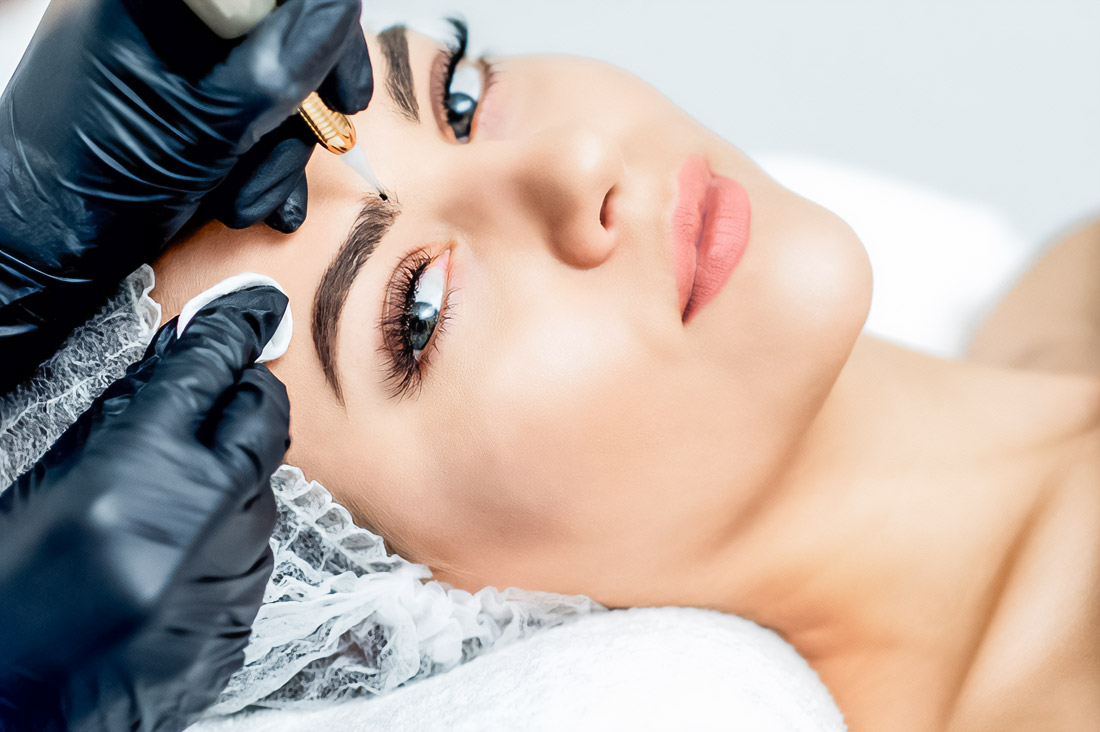
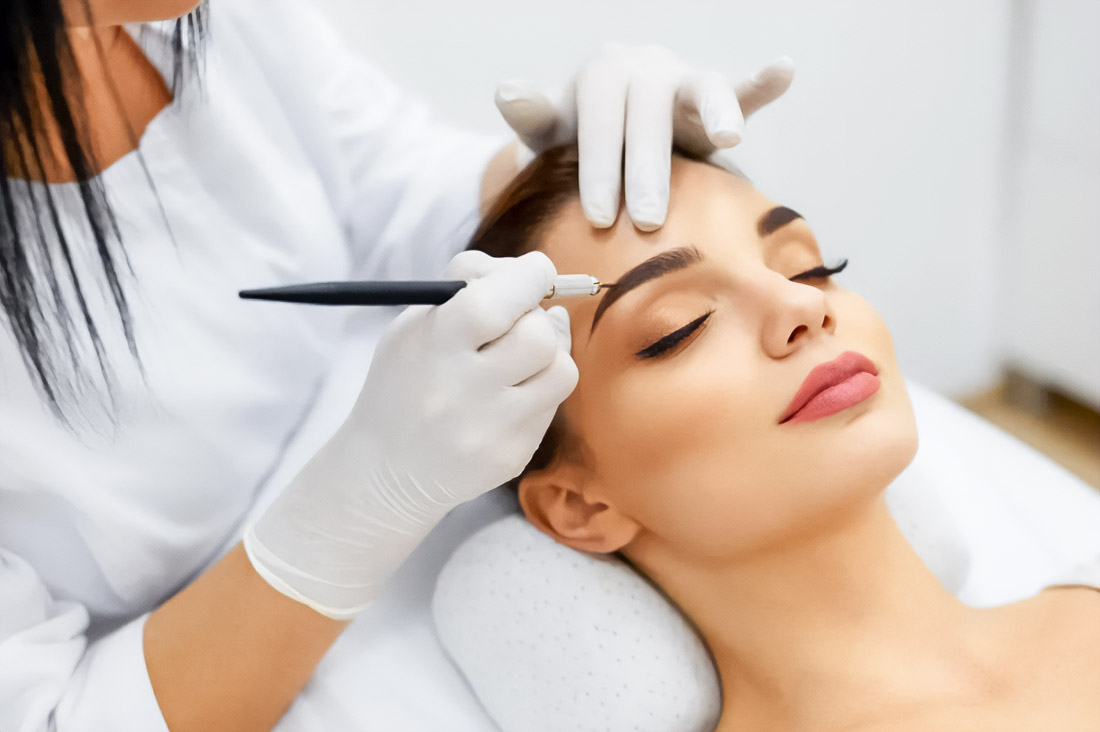
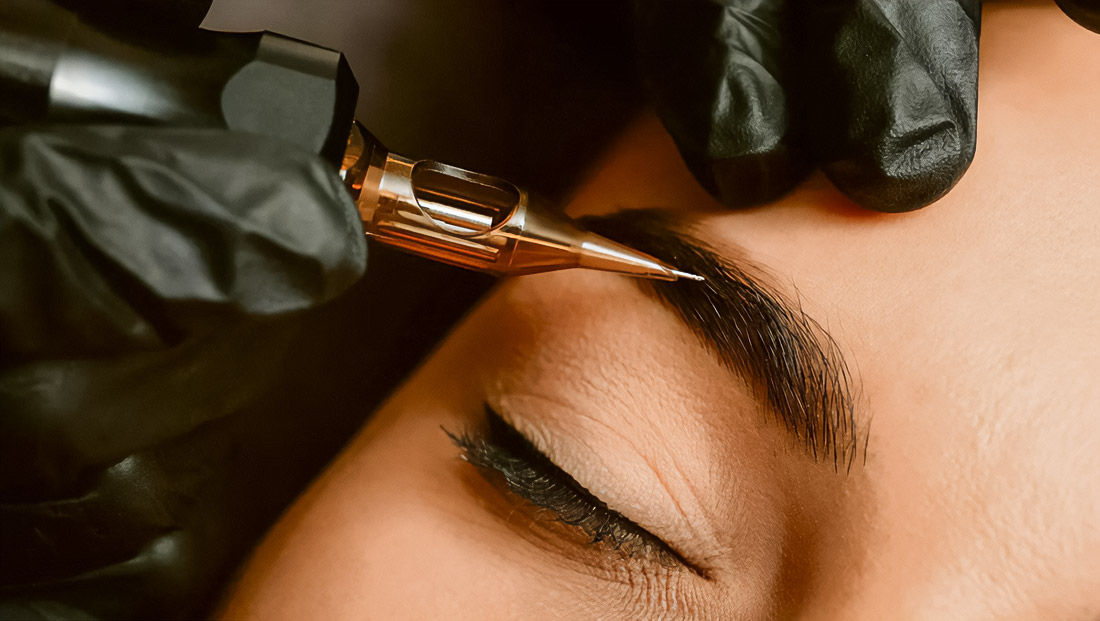
Social media has played a key role here. They gave people control over their own image and the opportunity to be seen without intermediaries. Smartphone cameras and personal accounts have become a tool for self-presentation, and filters and visual formats have become a new aesthetic language. Techniques like brow microblading, once associated with niche beauty circles, spread globally through visual platforms. Beauty has ceased to be exclusively imposed from above and has become a subject of negotiation.
Technology and Economics of Appearance
Modern technologies have influenced not only the ways of representation but also the physical transformation of the body. Improved medical procedures, the development of fitness culture, personalised nutrition, and cosmetic interventions have all made “exceptional appearance” more achievable. As a result, the boundaries between “ordinary attractiveness” and “ideal” have blurred.
At the same time, beauty still has economic value. Research and observations show that perceived attractiveness is related to access to opportunities, income level, and social inclusion. However, the decisive factor is not the appearance itself, but its combination with confidence, charisma and social skills.
Cultural Differences and Global Exchange
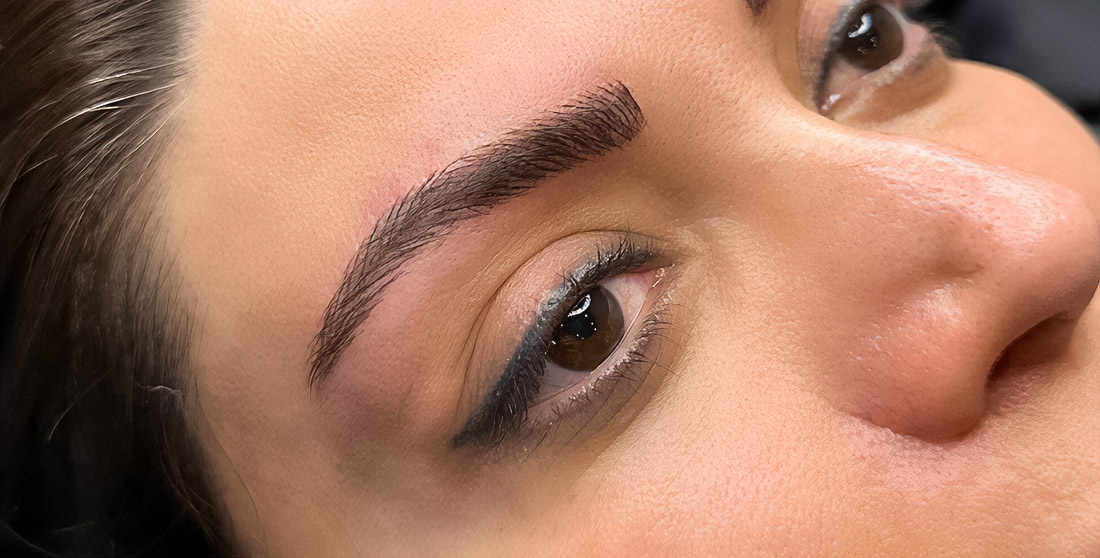
Beauty remains a deeply cultural concept. What is considered attractive in one society may be neutral or even repulsive in another. Climate, history, religion, social structure, and available resources shape local aesthetic norms. Light or dark skin, thinness or fullness, naturalness or emphasised decorativeness – all these parameters have a cultural explanation. Aesthetic practices, whether makeup rituals, hair textures, or procedures like brow microblading, are no longer bound to one culture
Globalisation has led to a clash and confusion of these norms. People are increasingly living in multicultural cities, consuming content from different countries and comparing themselves not with the local environment, but with the global visual field. This increases the pressure but at the same time expands the space of possible identity.
Politicization of Appearance
Appearance has become a subject of political and social expression. The body, face, and hair have become markers of the right to exist without condemnation. For some, this means recognising natural features, while for others, it means rejecting imposed requirements to meet age, weight, or gender expectations.
Today, the debate is not so much about “who is beautiful” as about who has the right to be visible. Visibility means recognition, participation in cultural dialogue, and access to symbolic capital. Refusal to acknowledge someone’s beauty is increasingly perceived as a refusal to acknowledge their humanity.
A New Understanding of Beauty
Modern aesthetics is increasingly reduced to a set of external features. Individuality, self-acceptance, awareness and inner agreement with one’s own image come to the fore. Beauty becomes not so much a visual pleasure as a form of presence — a way to occupy space without apologies.
In this sense, today’s changes are not the final point but a process. The definition of beauty continues to expand, to face resistance, and to be revised and rewritten. And, perhaps, its main quality now is not universality but multiplicity.
Basketball fan, vegan, drummer, International Swiss style practitioner and holistic designer. Producing at the sweet spot between beauty and programing to craft an inspiring, compelling and authentic brand narrative. I’m a designer and this is my work.