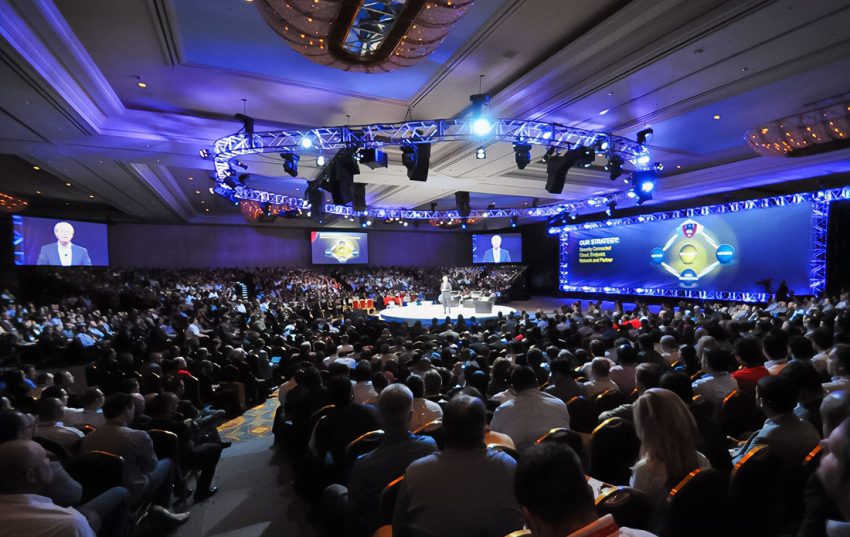
A person feels the space before he has time to comprehend it.The layout subtly indicates where to go, where to stay, and who to contact; light influences mood and colour modifies energy levels. This happens automatically, the brain begins to interpret visual and sensory signals in the first moments after entry. Research shows that the first impression is formed in less than one second, and it sets the emotional vector of the entire subsequent experience.
In modern event management, especially in high-expectation environments such as event management Dubai, the first emotional response often determines how the entire experience will be perceived.
Space is not a background. It is an emotional architecture that influences perception, behavior, and long-term memory.
Emotion as the Basis of Memory

People rarely remember the details, the arrangement of furniture, the exact colors,or the order of performances. But they remember well how they felt. Emotional response is directly related to memorization – it is emotion that becomes the anchor of memory. Therefore, an experience that causes surprise, a sense of belonging or an inner response lasts longer and is perceived as more meaningful.
When several senses are used at once, emotional memory is enhanced.
Light, sound, texture, movement and even smell form amultisensory experience that is more strongly anchored than the visual impression alone. This explains why spaces that are emotionally charged are retained longer and evoke a more stable response when recalled.
First Impression and Entrance Area
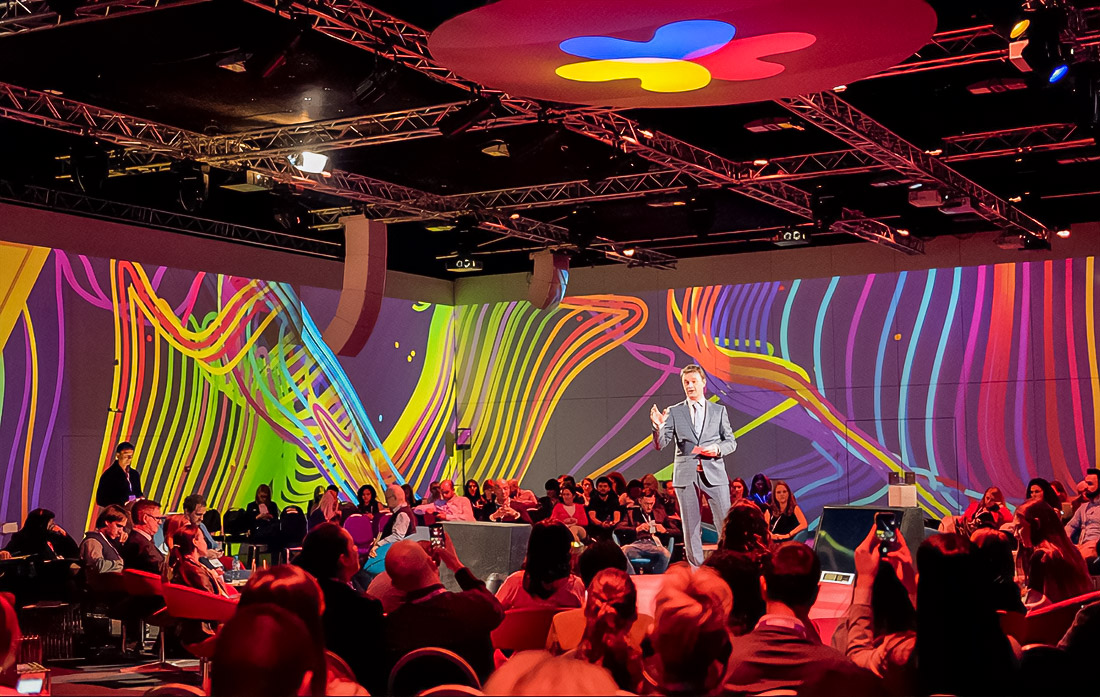
The entrance is not just a starting point but a key psychological moment. This is where expectations and trust levels are formed. Clean lines, thoughtful visual cues, intuitive navigation and light set the tone for the entire spatial scenario.
When the entrance area is logical and visually assembled, the space is immediately perceived as thoughtful and safe. This reduces the cognitive load and allows a person to switch from orientation to perception. On the contrary, an overloaded or chaotic input creates tension and reduces willingness to interact.
Spatial Flow and Behavior
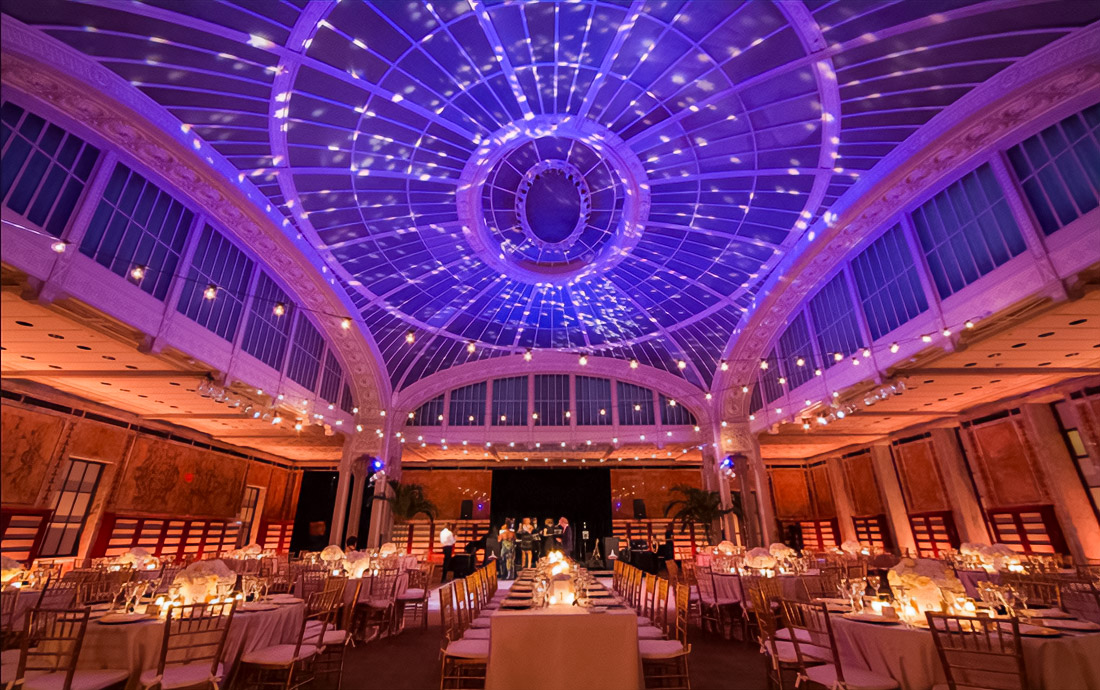
Planning directly affects behavioral responses. People’s movements,locations and willingness to interact are all influenced by spatial flow. Intuitive navigation, open passageways, and clear visual landmarks create a sense of ease and control.
When a space is read effortlessly, stress levels decrease and engagement increases. The clear logic of movement increases the time spent and stimulates participation. Congested areas, narrow passageways and visual noise, reduces the desire to contact with space and leave it faster.In strategic event management Dubai, this principle often defines whether an event is simply attended or genuinely remembered.
Sensory Perception and Emotional Comfort
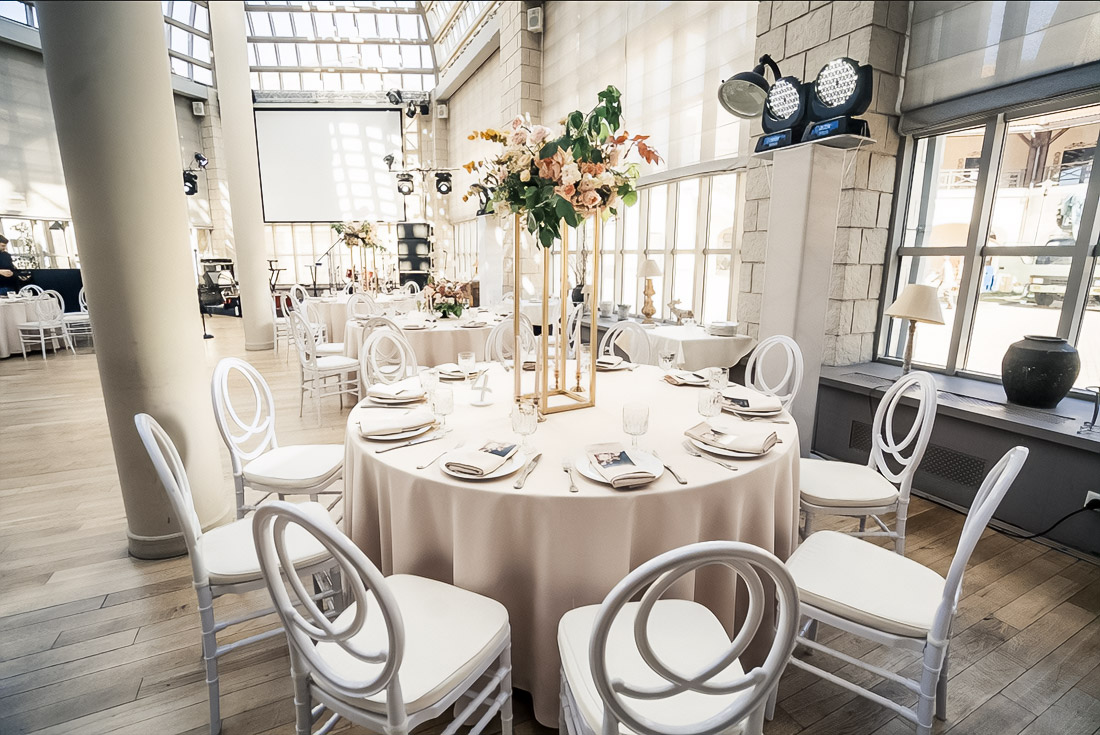
Colour, light, sound, and texture work as sensory triggers. Intimacy is enhanced by warm hues and activity, while cold ones calm you down and help you focus.Light can create intimacy, focus attention or on the other hand, change the dynamics. The sense of security and comfort is influenced by textures while sound and acoustics affect the level of comfort and openness.
It is important that even small environmental changes can result in observable changes in behaviour and emotional states. Comfortable lighting and clear acoustics allow you to keep your attention longer and maintain a sense of psychological security.
Social Engagement and a Feeling of Inclusion

Spaces designed with social dynamics in mind enhance the sense of connection between people. Circular or semi-open areas,soft lighting,tactile elements and a well-thought out distance between objects promote dialogue and joint presence.
People are better at remembering experiences in which they felt like they were part of the overall process. Joint rituals, shared visual moments, and points of intersection create a sense of belonging and increase the resonance of emotions.
Narrative and Emotional Arc
Every space can tell a story. The beginning, development and completion forms the emotional arc along which a person moves. The sequence of impressions helps to make sense of what is happening and turns a set of elements into a whole experience.
The ending plays a special role. Behavioural psychology shows that a person evaluates an experience based on two points — an emotional peak and completion. A strong final image or memorable exit enhances the overall impression and fixes the experience in long-term memory.
Why Design is a Strategy
The design of an environment affects not only aesthetics but also attention, engagement, and the quality of interaction. It can reduce stress, increase focus, encourage communication, and form positive memories.Instead of being a decorative element, space becomes a tactical tool.
When a design is created with psychology in mind, it functions subtly but efficiently. A person doesn’t analyze it consciously,they just feel comfortable and interested and want to stay longer.

Basketball fan, vegan, drummer, International Swiss style practitioner and holistic designer. Producing at the sweet spot between beauty and programing to craft an inspiring, compelling and authentic brand narrative. I’m a designer and this is my work.